The packaging industry plays a critical role in maintaining product quality, hygiene, and safety, especially in the food sector. Among the various packaging solutions available in the market, Food-Grade FIBC Bags have become one of the most reliable and efficient options for storing and transporting bulk food materials. Industries dealing with grains, sugar, flour, spices, dairy products, and other edible commodities depend heavily on these bags because they provide safe handling, contamination-free storage, and cost-effective transportation.
FIBC bags, also known as Flexible Intermediate Bulk Containers or jumbo bags, are large industrial containers designed to carry dry, flowable products in bulk quantities. When manufactured specifically for food-related applications under strict hygiene standards, they are referred to as Food-Grade FIBC Bags.
In this blog, we will discuss what Food-Grade FIBC Bags are, their features, manufacturing standards, benefits, and various applications across industries.
What are Food-Grade FIBC Bags?
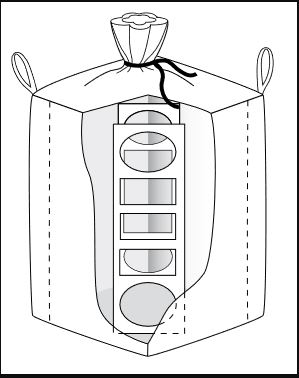
Food-Grade FIBC Bags are specially designed bulk packaging bags manufactured using virgin polypropylene materials under highly controlled hygienic conditions. These bags are intended for the safe storage and transportation of food products without causing contamination.
Unlike standard industrial jumbo bags, food-grade bags are produced following strict food safety regulations and quality standards. The manufacturing process takes place in clean-room environments where dust, moisture, and contaminants are carefully controlled.
These bags are widely used for bulk packaging because they are lightweight, durable, reusable, and capable of carrying large quantities of products efficiently.
Understanding FIBC Bags
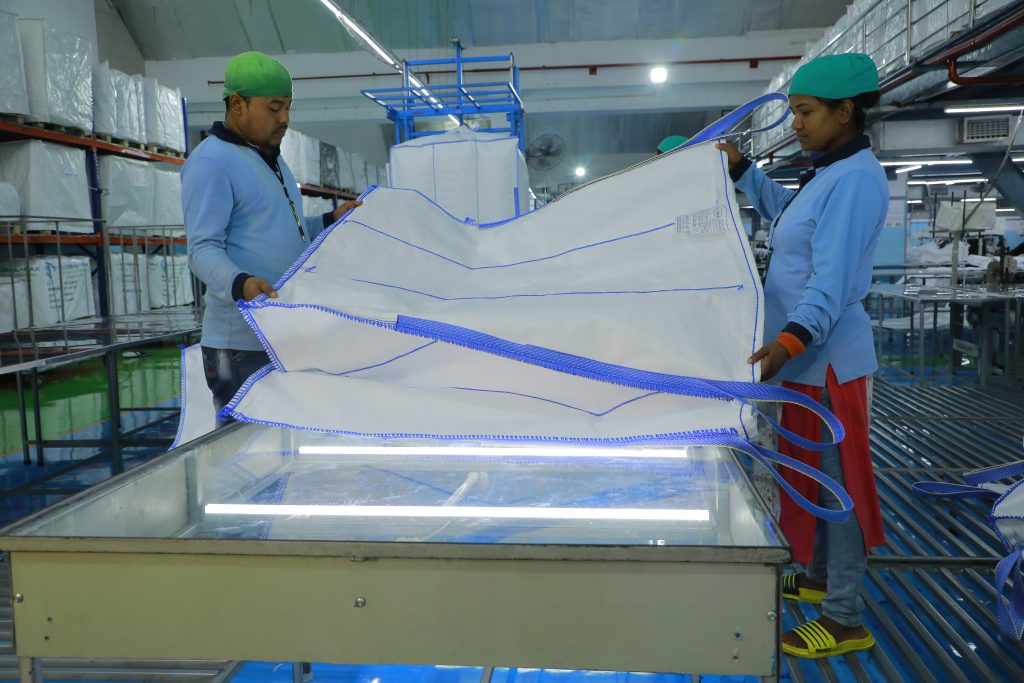
FIBC stands for Flexible Intermediate Bulk Container. These containers are made from woven polypropylene fabric and are designed to hold bulk materials ranging from 500 kg to 2000 kg or more depending on the design.
Food-grade variants are developed specifically for products intended for human consumption. Every stage of production, from raw material selection to stitching and packaging, is monitored carefully to maintain hygiene and quality.
Food-grade FIBC bags are commonly available in:
- U-Panel Bags
- Circular Bags
- Baffle Bags
- Conductive Bags
- Ventilated Bags
- Liner-Fitted Bags
Each type serves a different purpose depending on the nature of the food product being packed.
Key Features of Food-Grade FIBC Bags
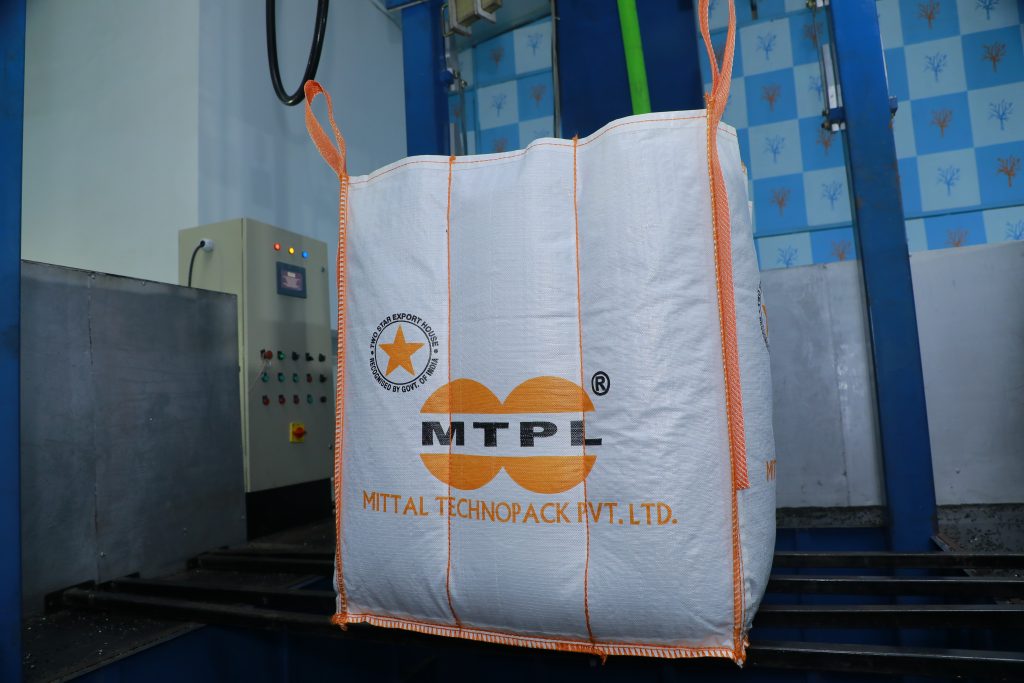
1. Made from Virgin Polypropylene
Food-grade bags are manufactured using 100% virgin polypropylene resin. Recycled materials are avoided because they may contain contaminants harmful to food products.
Virgin polypropylene ensures:
- Better strength
- High durability
- Non-toxic packaging
- Safe food contact
- Improved product purity
2. Hygienic Manufacturing Process
One of the biggest differences between regular and food-grade FIBC bags is the production environment. Food-grade bags are manufactured in clean and controlled facilities.
The process includes:
- Dust-controlled areas
- Air filtration systems
- Strict hygiene protocols
- Employee sanitation measures
- Metal and contamination detection systems
This minimizes contamination risks significantly.
3. FDA and Food Safety Compliance
Food-grade FIBC bags generally comply with international food safety standards such as:
- FDA regulations
- BRC standards
- ISO certifications
- HACCP guidelines
- FSSC standards
These certifications ensure the bags are suitable for food storage and transportation.
4. High Strength and Load Capacity
These bags are designed to carry heavy loads efficiently. Depending on requirements, they can safely transport products weighing from 500 kg to 2 tons.
The strong woven fabric provides:
- Tear resistance
- Impact resistance
- Excellent stacking ability
- Safe transportation
5. Moisture and Contamination Protection
Many food products are highly sensitive to moisture and contamination. Food-grade FIBC bags can include inner liners that provide additional protection against:
- Moisture
- Oxygen exposure
- Dust
- External contamination
This helps maintain product freshness and quality.
Why are Food-Grade FIBC Bags Important?
Food products require special care during storage and transportation. Any contamination can affect product quality and consumer health. Food-grade FIBC bags are important because they help industries maintain hygiene standards while handling bulk food materials.
They are widely preferred because they:
- Reduce contamination risks
- Improve storage efficiency
- Lower packaging costs
- Simplify logistics
- Increase operational productivity
For food manufacturers and exporters, maintaining food safety standards is essential, making these bags an ideal packaging solution.
Applications of Food-Grade FIBC Bags
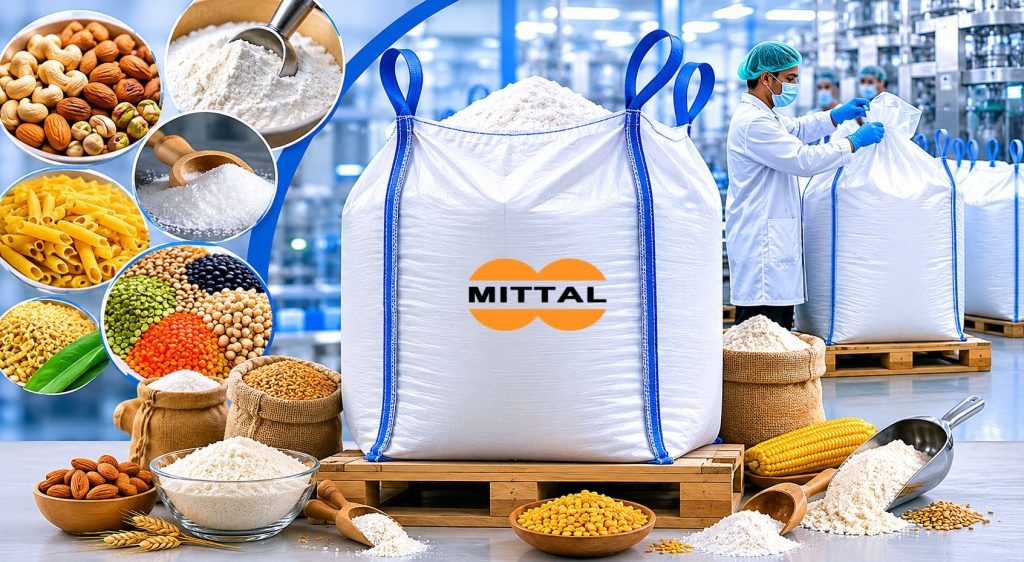
Food-grade FIBC bags are used across various food-processing and agricultural industries. Their versatility and safety make them suitable for multiple applications.
1. Grain Storage and Transportation
One of the largest applications of food-grade jumbo bags is in grain handling.
They are commonly used for:
- Rice
- Wheat
- Corn
- Barley
- Pulses
The bags help protect grains from moisture, insects, and contamination during storage and transport.
Large agricultural companies prefer FIBC bags because they simplify bulk handling and reduce packaging waste.
2. Sugar Industry
Sugar manufacturers use food-grade FIBC bags extensively for bulk sugar packaging.
These bags provide:
- Moisture protection
- Hygienic storage
- Easy transportation
- Reduced handling costs
Since sugar can absorb moisture quickly, liner-fitted FIBC bags are commonly used to maintain product quality.
3. Flour and Starch Packaging
Flour and starch products require dust-free and contamination-free packaging. Food-grade FIBC bags are highly effective for storing and transporting:
- Wheat flour
- Corn starch
- Rice flour
- Potato starch
The bags maintain hygiene while supporting efficient handling in mills and processing units.
4. Dairy Powder Industry
Milk powder and dairy ingredients are highly sensitive products that require secure packaging solutions.
Food-grade FIBC bags are used for:
- Milk powder
- Whey protein
- Lactose powder
- Dairy ingredients
The bags help maintain product purity and reduce exposure to environmental contaminants.
5. Spice and Seasoning Industry
Spices need packaging that preserves aroma, freshness, and cleanliness.
Food-grade FIBC bags are suitable for:
- Turmeric
- Chili powder
- Cumin
- Coriander
- Pepper
- Mixed spices
Inner liners help prevent moisture entry and maintain flavor quality.
6. Dry Fruit and Nut Packaging
Dry fruits and nuts are premium food products requiring hygienic bulk packaging.
Food-grade FIBC bags are commonly used for:
- Almonds
- Cashews
- Pistachios
- Walnuts
- Raisins
The bags support safe export and long-distance transportation.
7. Coffee and Cocoa Industry
Coffee beans and cocoa products require breathable yet protective packaging.
Food-grade FIBC bags are used for:
- Coffee beans
- Cocoa powder
- Cocoa beans
Ventilated and liner-fitted bags help preserve freshness and quality during storage.
8. Seed Industry
Agricultural seed manufacturers use food-grade FIBC bags because they offer:
- High durability
- Moisture resistance
- Bulk handling convenience
These bags are suitable for transporting seeds in large quantities safely.
9. Pet Food Industry
The pet food sector also uses food-grade FIBC bags for storing and transporting:
- Pet food pellets
- Animal nutrition products
- Feed ingredients
The bags help maintain hygiene and prevent contamination.
Advantages of Food-Grade FIBC Bags
Cost-Effective Packaging Solution
Compared to smaller packaging methods, FIBC bags significantly reduce packaging and labor costs.
One jumbo bag can replace multiple small bags, improving efficiency and reducing material consumption.
Easy Bulk Handling
These bags are designed for mechanical lifting using forklifts or cranes.
This improves:
- Loading efficiency
- Unloading speed
- Warehouse productivity
- Transportation management
Space Optimization
Food-grade jumbo bags can be stacked efficiently, helping businesses maximize warehouse storage capacity.
Their flexible design also reduces empty storage space when not in use.
Eco-Friendly Packaging
Most food-grade FIBC bags are reusable and recyclable, making them an environmentally friendly packaging solution.
Businesses looking to reduce plastic waste often choose FIBC bags due to their sustainability benefits.
Enhanced Product Protection
Food-grade FIBC bags protect products against:
- Moisture
- Dust
- UV exposure
- Contamination
- Physical damage
This helps maintain food quality during transportation and storage.
Types of Food-Grade FIBC Bags
- Standard Food-Grade Bags: Used for general food product storage and transportation.
- Liner-Fitted FIBC Bags: Contain inner liners for additional moisture and contamination protection.
- Baffle Bags: Designed to maintain shape and improve stacking efficiency.
- Ventilated FIBC Bags: Allow airflow and are ideal for products requiring ventilation.
- Conductive Bags: Used in environments where static electricity control is important.
Factors to Consider When Choosing Food-Grade FIBC Bags
- Product Type: Different food products require different bag designs depending on sensitivity, moisture content, and handling requirements.
- Load Capacity: Choose bags based on the weight and bulk density of the product.
- Moisture Protection: Products sensitive to moisture should use liner-fitted bags.
- Transportation Conditions: Export-oriented products may require additional UV protection and durability.
- Compliance Certifications: Always ensure the bags comply with food safety standards and industry regulations.
- Future of Food-Grade FIBC Bags: The demand for hygienic bulk packaging solutions continues to rise globally. Food manufacturers are increasingly focusing on safe packaging, sustainability, and efficient logistics.
Conclusion
Food-Grade FIBC Bags have transformed the bulk food packaging industry by offering safe, hygienic, and cost-effective storage and transportation solutions. Their ability to protect food products from contamination, moisture, and damage makes them highly valuable across multiple industries.
From grains and sugar to spices, dairy products, and dry fruits, these bags support efficient supply chain operations while maintaining strict food safety standards. Their durability, flexibility, and eco-friendly nature further increase their importance in modern packaging systems.
As industries continue prioritizing hygiene and operational efficiency, food-grade FIBC bags will play an even bigger role in ensuring safe and reliable food handling worldwide.