



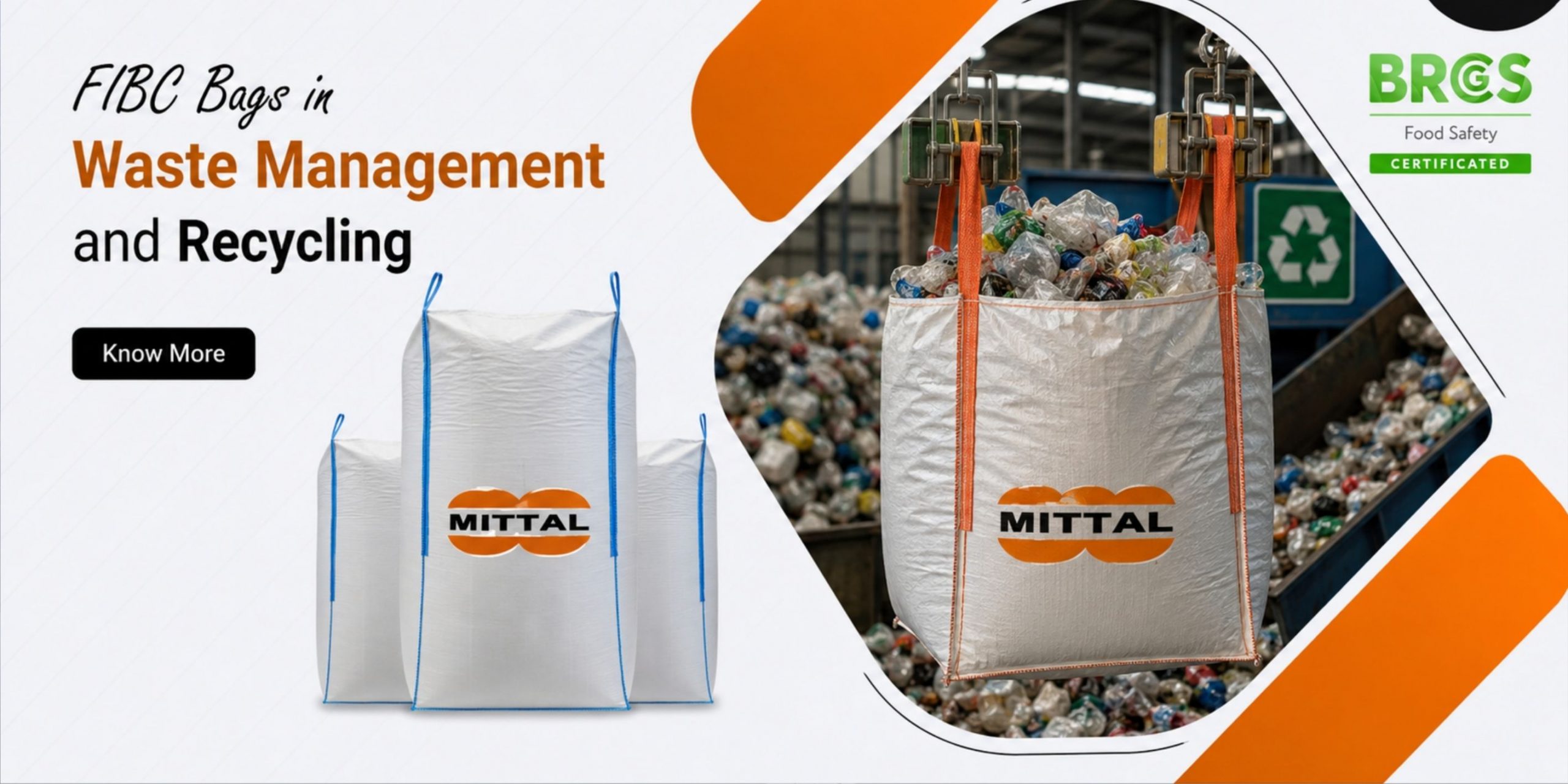
Waste management and recycling have become essential components of modern industrial operations. With increasing environmental concerns, stricter regulations, and a growing focus on sustainability, businesses across the world are seeking smarter ways to handle waste materials. Industries such as manufacturing, construction, agriculture, mining, and logistics generate large volumes of waste every day, creating the need for reliable storage and transportation solutions.
One packaging solution that has significantly transformed waste handling and recycling processes is the Flexible Intermediate Bulk Container (FIBC) bag. Commonly known as jumbo bags or bulk bags, FIBC bags are designed to safely store and transport large quantities of materials. Their strength, durability, flexibility, and cost-effectiveness make them an ideal choice for organizations looking to improve their waste management systems while supporting environmental responsibility.
As one of India’s leading FIBC bag manufacturers and exporters, Mittal Technopack has witnessed the growing role of bulk packaging solutions in helping industries manage waste efficiently and contribute to circular economy initiatives.
Growing Importance of Waste Management and Recycling
The world is producing more waste than ever before. Rapid industrialization, urban development, increased consumption, and expanding manufacturing activities have contributed to rising waste generation across every sector. Governments and environmental agencies are encouraging businesses to adopt sustainable waste management practices that minimize landfill dependency and maximize recycling opportunities.
Effective waste management involves more than simply disposing of unwanted materials. It requires systematic collection, segregation, storage, transportation, processing, and recycling. Every stage of this process demands equipment and packaging solutions that can handle large quantities of materials safely and efficiently.
FIBC bags have emerged as a valuable tool in achieving these objectives because they offer a practical method for collecting and transporting various forms of industrial and recyclable waste.
How FIBC Bags Simplify Waste Collection Operations
One of the biggest challenges in waste management is the collection and containment of waste materials generated across industrial facilities. Manufacturing units often produce plastic scrap, textile remnants, packaging waste, metal residues, and other by-products that require proper handling before disposal or recycling.
FIBC bags provide a centralized and organized solution for collecting these materials. Their large storage capacity allows businesses to accumulate substantial volumes of waste in a single container, reducing the need for multiple smaller bags or bins. This not only improves operational efficiency but also helps maintain cleaner and safer work environments.
The flexibility of FIBC bags makes them suitable for various waste streams. Industries can allocate different bags for different categories of waste, making segregation easier and improving recycling outcomes. Proper segregation at the source is a critical factor in successful recycling programs, and FIBC bags support this process effectively.
Enhancing Recycling Efficiency Through Better Material Handling
Recycling begins with the proper collection and transportation of recyclable materials. If waste materials become contaminated during handling or transportation, their recycling value can decrease significantly. FIBC bags help maintain the integrity of recyclable materials by providing secure containment throughout the supply chain.
Plastic waste, paper waste, cardboard, metal scrap, glass fragments, and industrial by-products can all be collected and transported using specially designed bulk bags. Because FIBC bags can hold large volumes, recycling facilities receive materials in a more organized manner, reducing sorting time and improving processing efficiency.
The ability to safely transport recyclable materials from collection points to processing centers helps create a more effective recycling ecosystem. Businesses that utilize high-quality FIBC bags often experience smoother logistics operations and improved resource recovery rates.
Reducing Environmental Impact Through Reusable Packaging Solutions
Sustainability has become a major focus for industries worldwide. Businesses are under increasing pressure to reduce their environmental footprint and adopt eco-friendly operational practices. One of the key advantages of FIBC bags is their contribution to sustainable waste management systems.
Unlike many single-use packaging solutions, FIBC bags can often be reused multiple times depending on their design and application. Their durability allows them to withstand repeated handling and transportation cycles, reducing overall packaging waste generation.
Additionally, most FIBC bags are manufactured using woven polypropylene, a material that can be recycled at the end of its service life. This supports circular economy principles by allowing packaging materials to be reintroduced into the production cycle rather than ending up in landfills.
By minimizing packaging waste and improving transportation efficiency, FIBC bags help businesses achieve sustainability goals while reducing operational costs.
Improving Workplace Safety During Waste Handling
Waste management activities often involve handling heavy, bulky, or potentially hazardous materials. Poor handling practices can result in workplace accidents, injuries, and operational disruptions. Safety therefore remains a critical consideration in any waste management strategy.
FIBC bags contribute significantly to safer waste handling operations. Their robust construction ensures secure containment of materials, reducing the risk of spills and leaks. Many bags are equipped with lifting loops that allow forklifts and cranes to move heavy loads safely and efficiently.
By reducing the need for manual lifting and handling, FIBC bags help minimize workplace injuries associated with repetitive strain and heavy material movement. Furthermore, specialized bags designed for dust containment help protect workers from exposure to airborne particles during transportation and storage.
The combination of durability, ease of handling, and secure containment makes FIBC bags an important safety tool in modern industrial environments.
Supporting Construction and Demolition Waste Management
The construction industry is one of the largest contributors to waste generation globally. Construction and demolition activities produce substantial quantities of concrete debris, bricks, sand, gravel, metal scrap, wood waste, and other materials that require proper disposal or recycling.
Managing these waste streams efficiently is essential for maintaining organized project sites and meeting environmental compliance requirements. FIBC bags provide construction companies with a practical solution for collecting and transporting waste materials generated during various stages of a project.
Their large capacity allows contractors to store significant amounts of debris without occupying excessive space. Once filled, the bags can be easily transported to recycling facilities or designated disposal sites. This streamlined approach improves site cleanliness, enhances safety, and supports responsible waste management practices throughout the construction lifecycle.
Facilitating Sustainable Agricultural Waste Management
Agriculture generates a wide variety of waste materials that can often be recycled, repurposed, or converted into valuable resources. Crop residues, feed waste, fertilizer packaging, and other agricultural by-products require efficient collection and transportation systems to maximize their reuse potential.
FIBC bags provide farmers and agricultural businesses with an effective method for handling these materials. Their flexibility and strength make them suitable for storing large quantities of agricultural waste before transportation to recycling facilities, composting sites, or biomass processing plants.
As sustainable farming practices continue to gain importance, the role of FIBC bags in agricultural waste management is expected to grow further. Their ability to support efficient material handling contributes directly to environmentally responsible farming operations.
Meeting the Demands of Mining and Heavy Industrial Waste Handling
Mining and heavy industrial sectors operate in some of the most demanding environments and generate significant volumes of waste materials. These industries require packaging solutions capable of handling abrasive substances, heavy loads, and challenging operating conditions.
FIBC bags are widely used in mining applications because of their exceptional strength and durability. They can safely transport mineral waste, tailings, dust, and various industrial by-products while maintaining structural integrity during handling and transportation.
The reliability of FIBC bags helps mining companies improve waste management efficiency while complying with environmental regulations governing waste disposal and material containment.
Customization and Innovation Driving Better Recycling Solutions
The waste management industry is continuously evolving, and packaging requirements vary depending on the type of waste being handled. Modern FIBC manufacturers are responding to these challenges by developing customized solutions tailored to specific applications.
Advanced FIBC designs now include features such as conductive fabrics for static-sensitive materials, moisture-resistant liners for contamination prevention, and specialized construction techniques for hazardous waste transportation. These innovations help businesses address unique waste management challenges while maintaining safety and operational efficiency.
At Mittal Technopack, innovation remains a key focus area. The company continuously works toward developing packaging solutions that meet the changing needs of industries while maintaining the highest quality standards.
Why Quality FIBC Bags Make a Difference
In waste management and recycling applications, product quality directly impacts operational performance. Low-quality bags can lead to material leakage, contamination, transportation failures, and safety risks. Such issues not only increase costs but can also result in environmental non-compliance.
Choosing a trusted manufacturer ensures that businesses receive products designed to withstand demanding operating conditions. High-quality FIBC bags offer superior strength, consistent performance, and enhanced durability, making them a valuable investment for long-term waste management operations.
With nearly four decades of expertise, Mittal Technopack has established itself as one of the industry’s most trusted names. Founded in 1985, the company has consistently focused on delivering innovative and reliable bulk packaging solutions to customers around the world.
Today, Mittal Technopack serves clients in more than 40 countries and produces over 30,000 FIBC bags per day. Its advanced manufacturing facilities, including a BRCGS AA-certified food-grade facility, reflect the company’s commitment to quality, innovation, and customer satisfaction.
Mittal Technopack’s Commitment to Sustainable Packaging Solutions
As global industries move toward more sustainable business practices, the demand for efficient and environmentally responsible packaging solutions continues to rise. Mittal Technopack remains dedicated to supporting this transition through high-quality FIBC bags designed for diverse industrial applications.
The company’s core values of quality, commitment, collaboration, integrity, and innovation guide every aspect of its operations. By focusing on continuous improvement and customer-centric solutions, Mittal Technopack helps businesses optimize waste management processes while reducing their environmental impact.
Its strategic manufacturing capabilities, strong export presence, and decades of industry experience make it a preferred partner for organizations seeking reliable bulk packaging solutions.
Conclusion:
The future of waste management depends on efficient collection, transportation, and recycling systems that support sustainability while maintaining operational efficiency. FIBC bags have emerged as a critical component of these systems by providing a practical, durable, and environmentally friendly solution for handling bulk waste materials.
From industrial manufacturing and construction projects to agriculture, mining, and recycling facilities, FIBC bags help organizations improve waste segregation, enhance safety, reduce transportation costs, and support circular economy initiatives. Their versatility and reusability make them one of the most effective packaging solutions available for modern waste management operations.
As one of the largest FIBC bag manufacturers and exporters in India, Mittal Technopack continues to lead the industry with innovative packaging solutions that help businesses achieve their sustainability goals while ensuring reliable performance. Through its unwavering commitment to quality and customer satisfaction, Mittal Technopack is playing an important role in building a cleaner, more efficient, and more sustainable future.


