



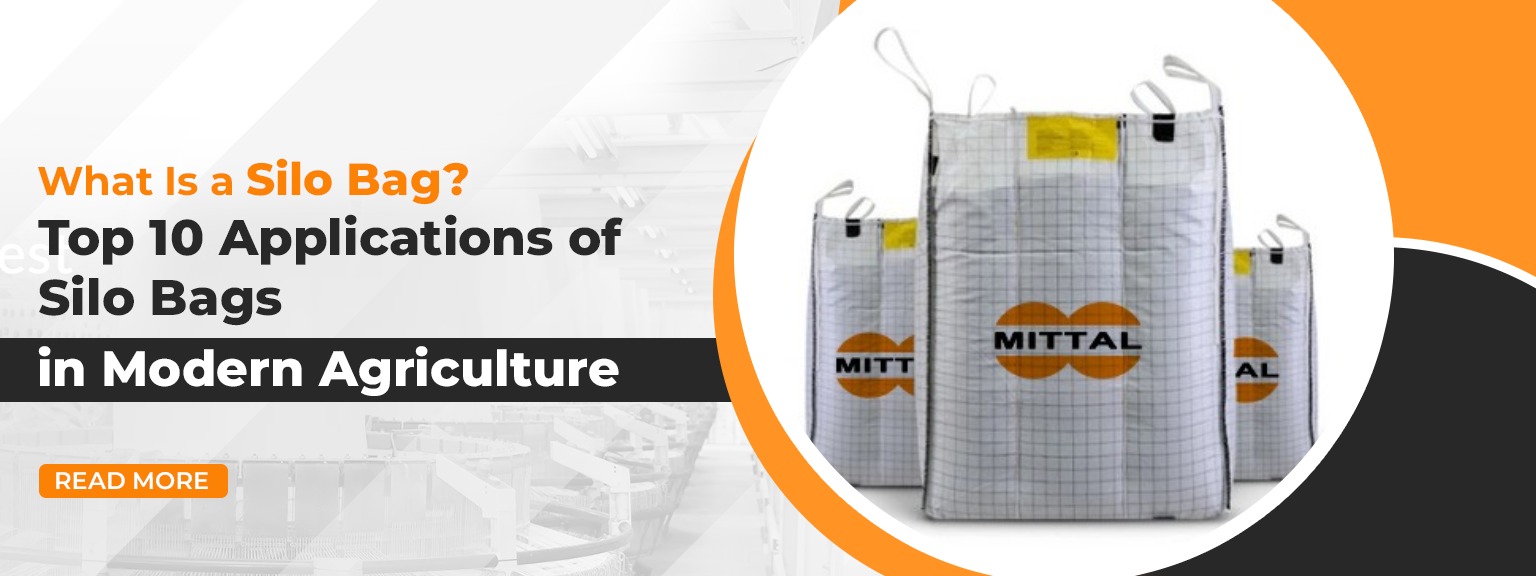
A silo bag is a large, elongated, flexible polyethene tube designed for on-site storage of bulk materials such as grains, silage, feed, and other agricultural or industrial commodities. These bags create a controlled, airtight micro-environment that protects stored materials from moisture, insects, rodents, fungus, and external contamination.
Mittal Technopack is a leading brand in the FIBC sector, offering high-quality bulk packaging solutions across industries. The company currently does not manufacture silo bags. However, with increasing demand for versatile storage systems, Mittal Technopack may explore silo bag technology in the future.
Top 10 Applications of Silo Bags (Expanded Explanation)
Below is a detailed and enriched section expanding all ten applications to meet your word count requirement.
1. Grain Storage
One of the most significant and widespread applications of silo bags is in the storage of grains. Grains like wheat, rice, maize, barley, sorghum, millet, and oats are susceptible to moisture and temperature fluctuations. Traditional storage methods—such as warehouses, godowns, and metal silos—often become insufficient during bumper harvest seasons. This is where silo bags come into play.
Silo bags provide an on-ground, hermetically sealed environment that minimises oxygen levels. This helps maintain grain freshness, color, texture, and nutritional value for extended periods. By creating an airtight chamber, silo bags prevent the growth of fungi, mold, and insects, which are common threats to grain safety.
Additionally, silo bags offer farmers and traders flexibility. Instead of transporting grains immediately to distant storage facilities or selling them at lower prices, they can store the produce directly on the farm. This empowers them to wait for better market conditions and secure higher profits. For agribusinesses handling large harvest volumes, silo bags eliminate the need for urgent warehouse expansion.
2. Silage Storage
Silo bags play a crucial role in livestock farming, particularly in storing silage—a fermented, nutrient-rich fodder prepared from green crops like corn, sorghum, alfalfa, or grass. Silage is an essential feed for dairy and livestock operations, especially during seasons when green fodder is scarce.
Using silo bags for silage storage ensures better fermentation because the airtight environment promotes anaerobic bacterial activity. These bacteria are responsible for converting the green fodder into high-quality silage that retains moisture, nutrients, and digestibility.
Silo bags also allow farms of all sizes—from small family-owned units to large commercial dairy farms—to produce and store silage without needing dedicated bunker silos or expensive storage pits. Bagged silage is protected from environmental damage, rodents, and spoilage, ensuring that livestock receive consistent, high-quality feed throughout the year.
3. Seed Preservation
High-value seeds—whether hybrid seeds, certified seeds, or breeder seeds—require precise storage conditions to maintain their germination potential. Even minor exposure to moisture, heat, or pests can reduce their viability.
Silo bags offer a controlled atmosphere that helps:
- Maintain low oxygen levels
- Reduce relative humidity
- Prevent seed respiration
- Avoid contamination
- Protect against insects and rodents
Seed companies, research institutions, and agricultural cooperatives rely on silo bags for seasonal and buffer stock preservation. Since seed quality directly impacts crop production, using silo bags ensures that farmers receive healthy seeds with strong germination rates.
4. Fertiliser Storage
Certain types of fertilisers—especially urea, DAP, MAP, NPK blends, and micronutrient mixes—are hygroscopic, meaning they absorb moisture quickly. When exposed to humidity, they tend to cake or form lumps, reducing their usability and effectiveness.
Silo bags provide an airtight environment that protects fertilisers from moisture absorption, atmospheric humidity, and temperature changes. This ensures that the product remains free-flowing, stable, and ready for application.
For fertiliser distributors, dealers, and supply-chain operators, silo bags offer a cost-effective alternative to building new storage sheds, especially during periods of high demand or stock accumulation before cropping seasons.
5. Animal Feed Storage
Livestock feed—such as poultry feed, cattle feed, fish feed, and specialty nutrition pellets—must be stored in a dry, pest-free environment. Feed contamination leads to reduced nutritional value and can even cause illness in animals.
Silo bags help maintain the quality of animal feed by preventing:
- Mold formation
- Moisture-induced clumping
- Rodent damage
- Insect infestation
- Loss of nutrients due to oxidation
Commercial feed manufacturers often produce large batches of feed. Silo bags offer a scalable storage option, allowing them to manage surplus stock without investing in additional steel bins or warehouses.
6. Storage for Pulses & Legumes
Pulses such as lentils, chickpeas, green gram, black gram, pigeon peas, and others are prone to weevil infestation and moisture absorption. Silo bags provide a hermetic, low-oxygen environment that naturally controls pests without requiring chemical fumigation.
This makes silo bags particularly beneficial for:
- Farmers storing harvests for better market prices
- Wholesalers managing bulk inventories
- Exporters preparing consignments for shipment
- Government procurement agencies handling buffer stocks
By preserving colour, size, texture, and nutritional quality, silo bags help maintain the commercial value of pulses over long periods.
7. Temporary On-Site Storage for Processing Industries
Food processing plants often face seasonal fluctuations in raw material supply. During peak harvest seasons, large quantities of grains, seeds, spices, or raw feedstock arrive at mills. However, limited in-house storage capacity leads to overflow issues.
Silo bags act as an excellent temporary storage extension. Industries such as:
- Rice mills
- Flour mills
- Oilseed processing units
- Breweries
- Malt production facilities
use silo bags to store incoming raw materials until processing begins.
This reduces downtime, avoids procurement delays, and enables smoother production planning. For industries located in remote areas, silo bags also eliminate transportation challenges by allowing storage closer to the source.
8. Emergency Storage During Warehouse Shortage
In many countries, agricultural supply chains often face crises due to:
- Unpredictable bumper harvests
- Inadequate government storage infrastructure
- Sudden market gluts
- Natural disasters
- Delays in transportation or procurement
During such events, silo bags serve as an emergency backup solution. They can be installed rapidly, even in open fields, allowing instant storage of thousands of tonnes of grains or other commodities.
Government agencies, procurement bodies, and NGOs often rely on silo bags to prevent post-harvest losses during critical periods. This plays a vital role in food security and stabilizing the agricultural economy.
9. Storage for Industrial Raw Materials
Beyond agriculture, silo bags are increasingly used across industrial sectors. Materials that require bulk, dry, and contamination-free storage—such as:
- Plastic granules
- Wood pellets
- Biomass
- Organic fuel materials
- Certain types of powdered chemicals
can be safely stored in silo bags.
Industries prefer silo bags because they are:
- Easy to deploy
- Cost-effective
- Flexible in storage locations
- Suitable for temporary or seasonal raw material stocking
Manufacturers can set up storage in yards, factory premises, or logistics hubs without worrying about constructing new infrastructure.
10. Export Buffer Storage
Global trade logistics often face challenges such as port congestion, delayed shipments, vessel unavailability, or customs hold-ups. Exporters dealing with grains, pulses, feedstock, or industrial materials use silo bags as buffer storage near ports or container yards.
Silo bags help maintain product quality while shipments are in queue. They also minimize handling, reduce spillage, and offer a safe temporary holding point before the cargo is uploaded into containers or bulk carriers.
For exporters of agricultural commodities, this flexibility is essential in ensuring smooth international trade operations.
Key Features of Silo Bags
1. Multi-Layer Polyethylene Construction
Silo bags are made from 3–5 layers of high-strength polyethylene that ensure durability, flexibility, and long-term protection. The multi-layered design helps maintain structural integrity even in harsh outdoor conditions.
2. UV-Stabilized Material
Since silo bags are typically stored in open fields, they are manufactured with UV-resistant additives that prevent degradation from sunlight exposure. This extends the lifespan of the bag.
3. Airtight & Hermetic Sealing
Silo bags create a controlled, low-oxygen internal environment, which prevents:
- Pest infestation
- Fungal growth
- Oxidation
- Moisture absorption
This airtight sealing is one of the biggest reasons for their widespread use.
4. High Storage Capacity
A typical silo bag can store 200 to 300 tonnes of grains depending on its length and diameter. This makes it a high-capacity solution suitable for large farms, traders, and processing units.
5. Quick Installation
Silo bags require minimal infrastructure and can be installed rapidly on-site using a bagging machine. This makes them ideal for emergency storage and seasonal overflow.
6. Cost-Effective Alternative to Warehouses
Compared to constructing permanent silos or storage sheds, silo bags are extremely economical. They reduce upfront cost, maintenance cost, and operational complexity.
7. Weather & Moisture Protection
The outer surface of silo bags is designed to withstand:
- Rain
- Temperature variations
- Humidity
- Dust
- Harsh wind conditions
This ensures the stored material remains safe across seasons.
8. Pest & Rodent Resistance
The hermetic environment naturally reduces the presence of insects, while the thick multi-layered structure provides physical protection from rodents.
9. Easy Access & Handling
Silo bags allow easy loading and unloading using:
- Grain bagging machines
- Extractors
- Augers
This makes them suitable for farms, mills, and transport hubs.
10. Flexibility in Storage Location
Silo bags can be placed almost anywhere, including:
- Open fields
- Farmyards
- Near mills
- Inside warehouses
- Temporary logistics hubs
No permanent building is required.
11. Reduced Grain Losses
Because of airtight sealing, silo bags help reduce:
- Post-harvest losses
- Nutrient loss
- Weight loss
- Contamination
This helps farmers retain quality and achieve better market prices.
12. Eco-Friendly & Recyclable
Most silo bags are made from recyclable polyethylene, making them an environmentally responsible storage option when disposed of correctly.
13. Minimal Maintenance Required
Unlike traditional silos that require constant monitoring and fumigation, silo bags require low maintenance, saving time and operational costs.
Mittal Technopack: Leading the Future of Bulk Packaging
Though Mittal Technopack currently focuses on premium-quality FIBC bags, bulk bags, jumbo bags, and customised industrial packaging, the growing demand for innovative storage solutions like silo bags presents exciting opportunities for future expansion.
With decades of expertise, strong manufacturing capabilities, and a deep understanding of global packaging standards, Mittal Technopack is well-positioned to explore silo bag solutions if market trends align.
For now, the company remains dedicated to delivering top-quality FIBC solutions that serve agricultural, industrial, chemical, and logistics sectors worldwide.


